

Facing criminal charges in Monroe, GA can be stressful, especially when the case may affect your freedom, job, family, license, and record. Whether the charge involves DUI, drug possession, assault, theft, domestic violence, probation violations, or another offense, the way the case is handled early can make a major difference.
A criminal defense attorney helps protect the accused person’s rights, review the evidence, and guide them through the legal process.
Explaining the Charges
One of the first ways an attorney can help is by explaining what the charge actually means. Criminal laws can be confusing, and the penalties may depend on the facts, prior record, and whether the offense is treated as a misdemeanor or felony.
An Attorney May Review
- The exact charge filed
- Possible penalties
- Court dates and deadlines
- Bond conditions
- Prior record concerns
- Possible defenses
- How the charge may affect employment or licensing
Understanding the charge helps the accused person make informed decisions instead of reacting out of fear.
Protecting Constitutional Rights
People accused of crimes have important rights. These may include the right to remain silent, the right to legal counsel, the right to challenge evidence, and protection against unlawful searches or seizures.
A Criminal Defense Attorney Monroe, GA residents work with can review whether law enforcement followed proper procedures during the stop, search, arrest, and questioning.
Reviewing the Evidence
Evidence is central to any criminal case. The prosecution may rely on police reports, witness statements, videos, photos, physical evidence, lab results, or digital records.
Evidence May Include
- Body camera footage
- Dash camera footage
- Police reports
- 911 calls
- Witness statements
- Photos
- Text messages
- Search records
- Lab reports
- Breath or blood test results
An attorney can look for weaknesses, inconsistencies, missing information, or evidence that supports the defense.
Challenging Illegal Searches or Arrests
If police violated someone’s rights, certain evidence may be challenged in court. For example, an officer may have lacked reasonable suspicion for a stop, probable cause for an arrest, or legal authority to search a vehicle, home, or phone.
If evidence was obtained unlawfully, a defense attorney may file a motion asking the court to suppress it. This can sometimes weaken the prosecution’s case.
Handling Communication With Prosecutors
Many people do not know what to say to prosecutors or law enforcement after an arrest. Speaking without legal guidance can create risks.
A defense attorney can communicate with the prosecutor, discuss the evidence, negotiate possible resolutions, and help prevent the accused person from making statements that could be used against them.
Building a Defense Strategy
Every criminal case is different. A strong defense depends on the facts, the evidence, and the legal issues involved.
Possible Defense Strategies May Involve
- Challenging witness credibility
- Disputing intent
- Showing lack of evidence
- Arguing self-defense
- Challenging forensic results
- Questioning police procedures
- Presenting an alibi
- Negotiating reduced charges
The goal may be dismissal, reduction of charges, a favorable plea, alternative sentencing, or trial defense.
Helping With Bond and Court Conditions
After an arrest, the court may set bond conditions. These may include no-contact orders, travel restrictions, drug or alcohol testing, or limits on certain activities.
An attorney can help explain these conditions and may request changes when appropriate. Violating court conditions can create additional charges or lead to jail.
Representing the Accused in Court
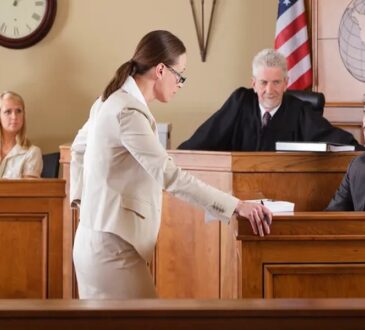
Court hearings can be intimidating. A criminal defense attorney can appear in court, argue motions, question witnesses, present evidence, and protect the client’s interests throughout the process.
Legal representation can be especially important if the case goes to trial, where the prosecution must prove guilt beyond a reasonable doubt.
Protecting the Future
A criminal case can affect more than the immediate penalty. A conviction may impact employment, housing, education, professional licenses, immigration status, firearm rights, and future background checks.
A criminal defense lawyer in Monroe can help evaluate options that may reduce long-term consequences, such as diversion programs, negotiated pleas, record restriction eligibility, or alternative sentencing when available.
Taking criminal charges seriously from the beginning can help protect legal rights and preserve more options as the case moves forward.